
Choosing the Right Materials for Your Garage Cabinets
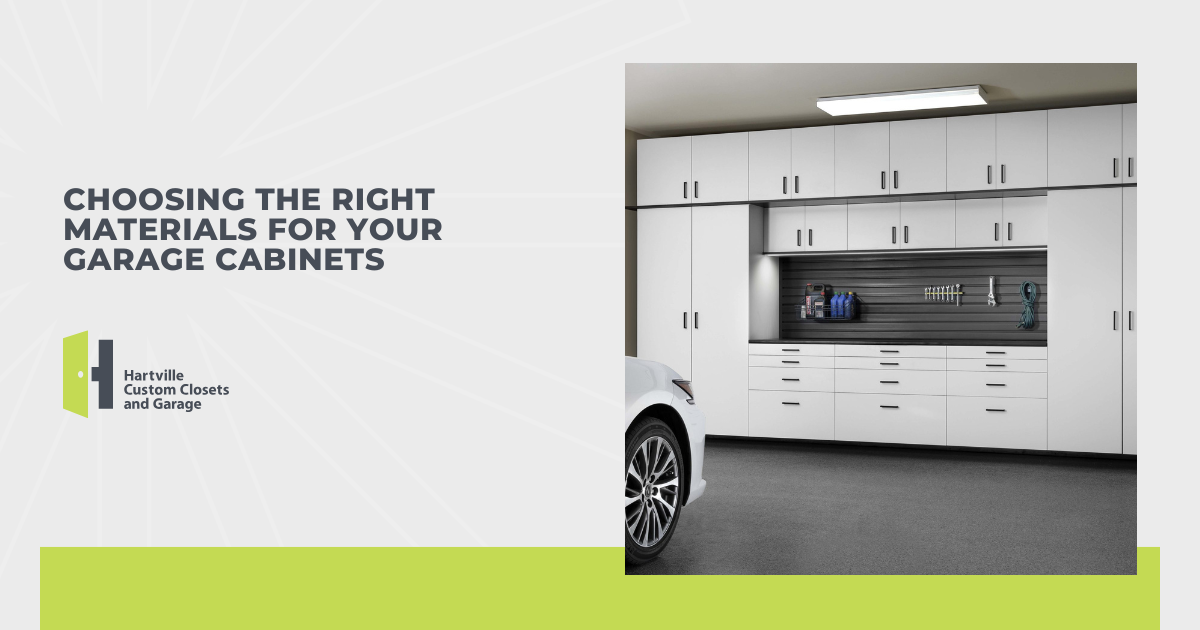
If you’ve ever opened your garage cabinets and noticed sagging shelves or warped panels, you already know how much the material matters. Garage cabinets face more than basic storage demands, with exposure to humidity, temperature changes, and heavy use. Some materials wear down faster than expected, even when everything looks fine at first. The right choice makes a noticeable difference in how well your space holds up.
Durability and reliability matter just as much as appearance when selecting garage cabinets. Materials should support your storage needs without constant upkeep or early replacement. I’ve found that understanding how each option performs in real garage conditions makes the decision much easier. The right material gives your cabinets the strength your space depends on.
Here are the key tips to help you choose the right materials for your garage cabinets:
- Match materials to your load capacity needs
- Select moisture-resistant materials for garage environments
- Factor in your local climate when evaluating materials
- Weigh material costs against long-term durability
- Prioritize low-maintenance materials
- Opt for materials that resist pests and damage
- Account for material weight and structural support needs
If you’re unsure where to start, these tips will give you a clear direction. Keep reading and you’ll be able to narrow down the best material for your garage cabinets with confidence.
Match Materials to Your Load Capacity Needs
One of the first things to consider is what you plan to store inside your garage cabinets. Heavy tools, power equipment, and bulk items need materials that won’t bend or weaken under pressure. The right material helps prevent sagging shelves and other structural issues. It also gives you more flexibility as your storage needs change.
Here’s how common materials compare when it comes to load capacity:
- Steel: Steel is one of the strongest options available and can support heavy tools and equipment without warping. It’s a dependable choice for garage cabinets that need to handle more demanding storage.
- Plywood: Plywood offers solid strength while staying more affordable than solid wood or steel. It works well for everyday storage and gives you a practical balance between durability and cost.
- Particleboard: Particleboard is a budget-friendly option that works well for lighter items and less demanding storage needs. It can be a practical choice when used appropriately, though it’s best not to overload it with heavier tools or equipment.
Problems often start when the material isn’t suited to what the cabinet needs to hold. Shelves may begin to sag, and the structure can feel less stable as more weight is added. A material that matches your storage needs will perform better and last longer.
Select Moisture-Resistant Materials for Garage Environments
Moisture is one of the most common challenges in a garage, even when the space seems dry at first glance. In areas like Ohio, melting snow, rain, and humidity can all introduce extra moisture into the space. Cabinets that aren’t moisture-resistant may swell, warp, or weaken faster than expected. The right material helps prevent these issues and keeps your storage reliable.
Some materials perform better than others when it comes to moisture exposure:
- Powder-Coated Steel: This material resists rust when properly finished and holds up well in humid conditions. It’s a dependable option for maintaining both structure and appearance in garages exposed to seasonal moisture.
- PVC or Plastic: Plastic-based materials are naturally resistant to water and won’t absorb moisture. They’re a practical choice for garages where wet floors or damp conditions are more common.
- MDF or Particleboard: These materials can work in controlled environments but are more sensitive to moisture. With proper sealing and placement, they can still perform well, though they’re best kept away from direct exposure to damp conditions.
Even small amounts of moisture can affect how cabinet materials perform. Water-resistant materials help reduce upkeep and support a longer lifespan. Protective coatings like powder coating or sealants can improve resistance even further.
Factor in Your Local Climate When Evaluating Materials
Your local climate can have a bigger impact on garage cabinets than it may seem at first. Garages often deal with cold winters, humid summers, and frequent temperature shifts throughout the year. These conditions can cause some materials to expand, contract, or break down faster than expected. Keeping climate in mind helps you avoid issues that may not show up right away.
Here’s how different materials respond to common climate conditions:
- Wood-Based Materials: Wood and plywood can expand or contract with changes in temperature and humidity. With proper sealing and construction, they can still perform well, especially in more stable garage conditions.
- Metal: Metal cabinets are strong and durable, but they can be prone to corrosion if exposed to moisture from snow or road salt. A high-quality coating helps protect the surface and maintain performance.
- Plastic or PVC: These materials are less affected by moisture and temperature changes. They offer a stable option in garages with frequent humidity or damp conditions.
Seasonal changes tend to reveal how well a material can handle your environment. Cabinets may do well in summer but respond differently during colder months. Materials designed for these shifts will stay more consistent throughout the year.
Weigh Material Costs Against Long-Term Durability
Budget is always part of the decision, but it helps to look beyond the upfront cost when choosing materials for your garage cabinets. Lower-cost options can work well for lighter use, especially at the start. Some materials, though, may wear down faster in a typical garage environment. Looking at expected lifespan can give you a better sense of overall value.
More affordable materials like particleboard or basic laminate can be a practical starting point for lighter storage needs. Mid-range options such as plywood offer better durability while still keeping costs manageable. Higher-end materials like steel or hardwood require a larger investment but often provide greater strength and longevity. Finishes and coatings can also affect how well each material performs.
A lower upfront cost can sometimes lead to more repairs or earlier replacement. Durable materials usually handle weight, moisture, and wear more effectively. Factoring in long-term performance helps you make a more balanced decision.
Prioritize Low-Maintenance Materials
Maintenance is something that can easily get overlooked when choosing materials for garage cabinets. Some materials require more upkeep to stay in good condition, especially in a space exposed to dust, moisture, and frequent use. Cabinets that are easier to clean tend to stay in better shape and require less attention overall. The difference becomes more noticeable after dealing with surfaces that need constant care.
Certain materials stand out when it comes to ease of care:
- Powder-Coated Steel: This material resists stains, scratches, and moisture, making it easy to wipe down when needed. It holds its finish well, even with regular use in a garage setting.
- High-Pressure Laminate: Laminate surfaces are smooth and simple to clean, which makes them a practical option for busy spaces. They also resist minor scratches and everyday wear.
- Unsealed or Solid Wood: Wood can offer a great look, but it often requires more attention to maintain its condition. Regular sealing or care may be needed to protect it from moisture and surface damage.
Low-maintenance materials help simplify your routine and reduce the effort needed to keep your cabinets in good condition. I tend to recommend options that stay in good shape without much upkeep, especially in spaces that see frequent use. This kind of practicality makes your garage cabinets easier to manage day to day.
Opt for Materials That Resist Pests and Damage
Garages can attract pests, especially when seasonal changes push them indoors. Colder months often bring rodents and insects into enclosed spaces, including storage areas. The materials used for garage cabinets can influence how well they hold up in these conditions. Stronger, non-organic materials can help reduce the risk of damage and keep your cabinets in better shape.
Here’s how different materials perform when it comes to pests and everyday wear:
- Metal: Metal cabinets don’t provide a food source for pests and are difficult for rodents to chew through. They also hold up well against dents and impacts in a garage setting.
- Plastic or PVC: These materials resist moisture and won’t attract insects. They handle damp conditions well, though they may be less resistant to heavy impact than metal.
- Wood-Based Materials: Wood can be more vulnerable if left untreated, especially in areas where pests are more active. With proper sealing and care, it can still perform well while reducing the risk of damage.
Cabinet materials also need to handle everyday wear. Scratches, bumps, and general impact are common in a garage. Protective finishes can help add another layer of defense and keep surfaces in better condition.
Account for Material Weight and Structural Support Needs
Material weight can affect both installation and long-term stability. Heavier materials may require stronger wall support or additional reinforcement to stay secure. This matters even more for wall-mounted garage cabinets. Planning for proper support helps prevent issues like sagging or detachment.
Different materials vary in weight and installation requirements:
- Steel: Steel cabinets are heavier and often require secure mounting into wall studs or reinforced surfaces. They offer excellent strength but may need more planning during installation.
- Wood or Plywood: These materials are generally easier to handle than steel while still providing solid support. They work well for both wall-mounted and freestanding cabinet setups.
- Plastic or PVC: Lightweight materials are easier to install and may not require as much structural support. They are a convenient option for simpler setups or areas with limited wall reinforcement.
The installation method plays a big role in how well your cabinets perform. Wall-mounted systems need proper anchoring, while freestanding units still benefit from stable construction. Matching the material to the setup helps improve safety and usability.
Conclusion
The materials you choose for your garage cabinets can have a lasting impact on how your space functions. Each option comes with its own strengths, so it helps to focus on what fits your needs and environment best. With the right materials in place, your garage becomes easier to use and more dependable. From what I’ve worked with, the most reliable setups come from materials that match real, everyday use.

QUICK LINKS
CONTACT INFO
Hartville Custom Closets & Garage
Hartville, OH
Phone
SCHEDULE A CONSULTATION
Contact us, and we will come out and discuss your project free of charge.