
How Much Does a Custom Closet Cost and Is It Worth It
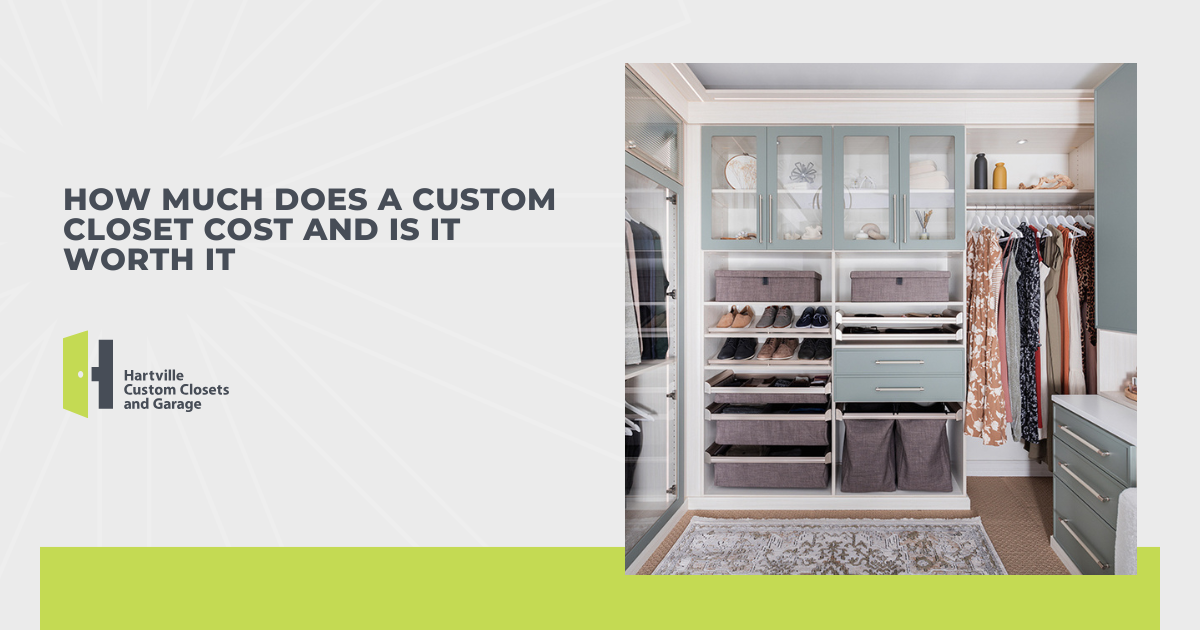
A custom closet is one of those home upgrades that sounds luxurious until you start looking into what it actually costs. Prices can swing dramatically depending on your space, your materials, and how involved you want to get in the process. It's easy to make decisions based on price alone without fully understanding what you're paying for. The more you know upfront, the less likely you are to overspend on things that don't actually matter to you.
I've seen closets transform from a tangled pile of shelves into a fully organized system that makes getting dressed feel effortless. But a beautiful result doesn't always require the biggest budget. What matters is understanding the factors at play so you can make choices that align with what your space actually needs. Once you understand what's actually driving the price, the decision gets a lot less intimidating.
These are the factors that shape custom closet pricing and what to weigh when deciding if it's right for your home:
- The size and layout of your space
- The materials and finishes you choose
- The type of system: custom-built vs. prefab
- The features and add-ons you include
- Professional installation vs. DIY
- Your home's resale value and long-term ROI
- When a custom closet is worth the investment
Keep reading to get a clearer picture of what you're really paying for and how to make a decision you'll feel confident about.
The Size and Layout of Your Space
The size and shape of your closet is the starting point for any cost conversation. A larger space requires more materials, more hardware, and more labor, all of which add up quickly. But square footage isn't the only thing that matters, because the layout plays just as big a role in what you'll end up spending.
Walk-in closets are generally the most expensive to outfit because they have more wall space to work with and often call for more complex configurations. Reach-in closets are smaller and more straightforward, which usually keeps costs lower. Wardrobe-style setups vary widely depending on how much customization you want built into them.
Ceiling height is another factor that's easy to overlook. Taller ceilings create an opportunity for additional storage, but they also require more materials and sometimes specialized installation to make that vertical space usable. If your closet has an awkward shape with angled walls, a narrow entry, or an irregular footprint, expect the design and build process to take more time and precision, which tends to reflect in the final price.
The Materials and Finishes You Choose
Materials are one of the biggest cost drivers in any custom closet build, and the range is wider than most people expect. What you choose affects not just the upfront price but also how well the system holds up over the years. Laminate and melamine sit at more accessible price points, offering durability and a clean look without a heavy investment. MDF is a step up, often used when a painted finish is the goal, while solid wood is the premium choice that tends to last the longest but requires the most upfront spending.
Finishes play a bigger role in the final cost than most people anticipate. A basic white or neutral laminate will cost considerably less than a custom paint finish or a wood veneer. If you're working with a tighter budget, choosing a simple finish in a high-visibility area and a more practical option elsewhere is a smart way to keep costs in check without compromising the overall look.
Hardware is another line item that adds up faster than expected. Drawer pulls, hinges, soft-close mechanisms, and rod brackets all vary in price depending on the quality and style you choose. I always find it helpful to decide early on which details are worth investing in and where a more practical option will serve you just as well.
The Type of System: Custom-Built vs. Prefab
The type of system you choose has a significant impact on your overall cost, and it's worth understanding what you're actually getting at each level. Fully custom builds are designed from scratch to fit your exact space, which means no wasted corners, no awkward gaps, and a finished look that feels intentional. This level of precision comes at a higher price, but it also delivers a result that a prefab system simply can't replicate.
Semi-custom systems sit in the middle ground. They use pre-manufactured components that can be configured in different ways to fit your space, giving you more flexibility than a standard prefab kit without the full cost of a ground-up custom build. They're a practical option if your closet has a relatively straightforward layout and you're working with a defined budget.
Prefab systems are the most affordable entry point, and they've improved considerably in quality and variety. The tradeoff is that they're built to standard dimensions, so they don't always make the best use of your specific space. If your closet has unusual proportions or you want the system to feel truly built-in, a prefab kit will likely leave you with compromises. Knowing where each option falls on the cost spectrum helps you set realistic expectations before you start getting quotes.
The Features and Add-Ons You Include
A basic custom closet build covers the essentials: shelving, hanging rods, and enough organization to make your space functional. Where costs start to climb is when you layer in the features and add-ons that make a closet feel truly tailored to how you live. Each addition is relatively small on its own, but they accumulate quickly when you're outfitting a full space.
Storage-specific features like pull-out drawers, shoe racks, belt and tie organizers, and built-in hampers all add to the base cost. The same goes for specialty sections like jewelry trays, valet rods, and dedicated accessory storage. These aren't frivolous extras for everyone. If your wardrobe is large or highly organized, these features can make a meaningful difference in how well the space actually works for you day to day.
Lighting is another add-on that's easy to underestimate. A well-lit closet is far more functional than one that relies on a single overhead fixture, and built-in LED lighting has become one of the more popular upgrades in custom closet design. Glass-front cabinet doors, integrated mirrors, and premium drawer hardware are other finishing touches that influence the final price. Before you sit down with a designer, sorting your priorities into must-haves and nice-to-haves gives you a much clearer sense of where to invest and where to pull back.
Professional Installation vs. DIY
Labor is one of the most significant line items in a custom closet project, and how you handle it can shift the total cost considerably. Professional installation typically includes design consultation, precise measurement, and the actual build, all bundled into a service that takes the guesswork off your plate. It's the more expensive route, but it also comes with accountability: If something doesn't fit or function as expected, there's someone to call.
DIY installation is the obvious way to reduce costs, and for prefab or semi-custom systems, it's a genuinely viable option. Many of these systems are designed with the home installer in mind and come with detailed instructions. The savings can be meaningful, but so can the time commitment. If you're not comfortable with basic tools or working with precise measurements, mistakes can end up costing more to fix than professional installation would have in the first place.
I'd also factor in the hidden costs that come with either route. Removing an existing shelving system, patching walls, repainting, and upgrading electrical for lighting are all tasks that add to the overall budget regardless of who does the build itself. Getting a clear picture of the full scope of work before committing to a path helps you compare the true cost of DIY versus professional installation rather than just the surface-level price difference.
Your Home's Resale Value and Long-Term ROI
A well-designed custom closet is the kind of feature that stands out to prospective buyers the moment they walk into a room. Organized, thoughtfully planned closet space consistently ranks among the top priorities for people shopping for a home, and a custom build signals that the space has been carefully maintained and upgraded. While it's unlikely to single-handedly drive up your sale price, it can make your home more appealing in a competitive market and contribute to a faster sale.
The long-term ROI also comes down to durability. A well-built custom closet using quality materials can last for decades without needing significant repairs or replacements. Prefab systems, by comparison, tend to wear out faster and may need to be replaced entirely if you renovate or reconfigure the space. When you spread the cost of a custom build across the years you'll actually use it, the price per year often looks a lot more reasonable than the upfront figure suggests.
It's also worth considering the indirect value a custom closet adds to your daily life. A space that's genuinely organized reduces the time you spend looking for things, minimizes clutter in other areas of your home, and makes your morning routine more efficient. These aren't easily quantified benefits, but they're real ones that accumulate every single day you use the space.
When a Custom Closet Is Worth the Investment
Your storage situation is the clearest sign that a custom closet is worth the investment. If you're constantly moving things around to find what you need, storing items in other rooms because your closet can't hold them, or dealing with a space that never quite feels functional no matter how many organizers you buy, a custom solution addresses the root of the problem rather than just the symptoms. I've found that a well-designed system built around your specific habits and wardrobe can eliminate those frustrations entirely.
It's also worth the investment when you're planning to stay in your home long term. The longer you live with a custom closet, the more value you extract from it, both in daily convenience and in the durability of the build itself. If you're in a home you intend to grow into, investing in a quality system now tends to make more financial sense than patching together temporary solutions that need to be replaced.
The most honest answer is that a custom closet earns its cost when it genuinely improves how you use your space every day. It doesn't have to be the most elaborate or expensive version to be worth it. What matters is that it's designed around how you actually live, built with materials that will hold up, and configured in a way that makes your space work harder for you. When those conditions are met, the investment tends to speak for itself.
Conclusion
The cost of a custom closet is real, but so is the value it delivers when the decision is made with the right information. The returns are just as tangible as the price, including a better-functioning space, a more organized daily routine, and a home that feels more intentional from the inside out. Not every closet needs to be a showpiece, but every closet can work better than it currently does. When you find the right balance of materials, features, and design for your space and your budget, a custom closet stops feeling like a luxury and starts feeling like an obvious choice.

QUICK LINKS
CONTACT INFO
Hartville Custom Closets & Garage
Hartville, OH
Phone
SCHEDULE A CONSULTATION
Contact us, and we will come out and discuss your project free of charge.